.avif)

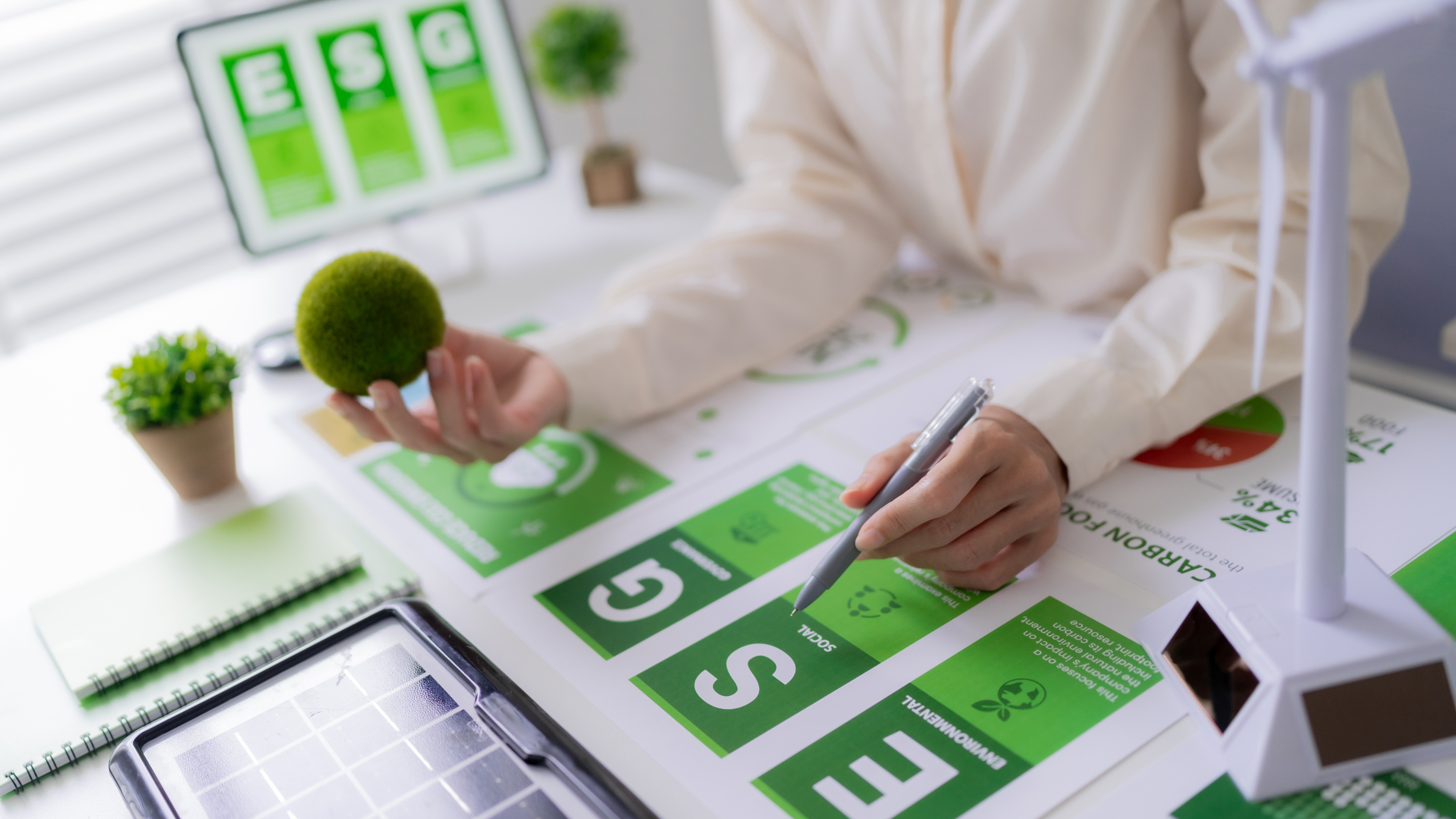
Outcome: Entrepreneurs will leave with a practical roadmap for turning sustainability from a good intention into a viable business model, operating plan, and credible marketing strategy.
For entrepreneurs, building a green business means designing environmental responsibility into how the company creates, sells, and delivers value—not simply adding an eco-friendly message after launch. The strongest sustainable businesses connect a real customer need with practical choices around materials, energy, suppliers, packaging, transportation, waste, and long-term costs.
The Green Business Blueprint
A sustainable startup does not have to solve every environmental problem. It needs to identify the impacts it can realistically influence and build measurable improvements into its operating model.
In brief: Start with a genuine customer problem → identify your environmental footprint → set specific goals → design operations around those goals → measure results → communicate only what you can support with evidence.
This approach turns “green” from a slogan into a business discipline.
What Will It Take?
Sustainable businesses may require different investments than conventional alternatives. Some increase upfront costs but can reduce waste or operating expenses over time.
Several cost categories deserve early attention. Materials and suppliers call for weighing recycled, renewable, reusable, lower-impact, local, or responsibly sourced options. Energy and water costs come down to choices like efficient equipment, renewable-energy options, and ongoing conservation and monitoring. Packaging decisions hinge on material volume, recycled content, reusability, and realistic end-of-life options. Operations costs cover waste handling, storage, production efficiency, and transportation. Measurement relies on energy bills, water use, waste volumes, sourcing records, or emissions data. And verification requires testing, documentation, or credible certification to support any claims you make.
Your Start-to-Launch Checklist
- Define the problem and customer. Decide what you will sell, who needs it and why a lower-impact approach improves the offer.
- Establish a baseline. Estimate current or expected material, energy, water, packaging, transportation and waste requirements.
- Choose priorities. Focus first on impacts that are significant, measurable and realistically within your control.
- Set targets. Replace vague ambitions with goals you can monitor over time.
- Vet suppliers. Ask for evidence behind environmental claims, material composition and certifications.
- Build sustainability into the budget. Compare purchase price with durability, energy use, waste, maintenance and disposal costs.
- Track performance. Record results so improvements—and marketing claims—have evidence behind them.
- Review and improve. Treat sustainability as an operating cycle rather than a one-time launch project.
Marketing Green Without Greenwashing
A green marketing plan should translate measurable practices into specific customer benefits. Explain what changed, how much changed when that can be substantiated, and what the claim actually applies to. Avoid making sweeping statements simply calling an entire company or product “green” or “eco-friendly.” The Federal Trade Commission advises marketers against broad, unqualified environmental-benefit claims and says environmental claims should be supported by appropriate evidence.
Strong visuals can make those specific stories easier to understand. Entrepreneurs can use image tools to refine sustainable branding, product photography and campaign graphics while reusing existing creative assets when appropriate. The Adobe Firefly AI image upscaler improves image resolution, clarity and sharpness, allowing photos to be enlarged while preserving visual detail and quality—useful when an existing product image, logo or campaign asset needs a cleaner presentation rather than an entirely new shoot.
Risks Worth Planning for Early
Green businesses can encounter higher initial costs, limited supplier choices, operational complexity or environmental targets that prove harder to achieve than expected. Poorly documented marketing claims can also damage customer trust and create regulatory risk. Build contingency room into budgets and promises; sustainability works better as measurable progress than as a claim of perfection.
A Useful Starting Point
Entrepreneurs who want a structured reference can explore the EPA’s Waste Reduction Model resources for small businesses. The resources help organizations establish material baselines and compare waste-reduction options, with additional pathways covering water efficiency, electronics, food waste and sustainable materials management.
Frequently Asked Questions
Does a sustainable business have to be completely carbon-neutral?
No. A credible starting point is identifying material impacts, reducing what the business can control and documenting progress rather than making unsupported absolute claims.
Can sustainability actually reduce business costs?
It can. Waste prevention and improvements in material, water and energy efficiency can lower certain operating expenses, although investments and payback periods vary by business.
What should an entrepreneur measure first?
Start with the factors most relevant to the business model: materials, waste, energy, water, packaging and transportation are common candidates.
Build the Better Business First
A green business becomes compelling when sustainability improves the way the company operates, not merely the way it describes itself. The goal is not instant perfection; it is a business capable of creating customer value while continually reducing unnecessary environmental impact.
.png)